

Atlantic Digital Heritage Institute
Strategic Funding and Organizational Development Plan (2026–2028)
Vision
Atlantic Digital Heritage Institute (ADHI) seeks to become a leading nonprofit organization dedicated to preserving, digitizing, indexing, and disseminating French colonial and Haitian archival materials. Our long-term goal is to transform difficult-to-access historical records into searchable, interconnected resources that advance scholarship, genealogy, and public understanding of the Atlantic World.
Strategic Goal 1: Build Organizational Capacity
Objective
Develop the organizational systems necessary to manage large-scale archival projects efficiently and sustainably.
Proposed Funding
Community Foundation of Greater Des Moines – Capacity Building Grant
Proposed Project
Develop ADHI's Digital Collections Infrastructure.
Deliverables include:
standardized metadata framework
indexing standards
authority files for names and places
document cross-referencing protocols
Geneanet integration workflow
Wikidata/Wikimedia linking standards
volunteer training manual
quality-control procedures
documentation standards
digital collections workflow
Organizational Benefit
The project creates reusable organizational infrastructure that allows ADHI to process archival collections consistently and efficiently.
Community Benefit
Researchers, genealogists, educators, and descendants will be better able to discover and connect historical records through standardized indexing and linked archival resources.
Long-Term Impact
The project better positions ADHI to pursue larger collaborative archival preservation and digitization grants.
Strategic Goal 2: Expand Public Humanities Programming
Objective
Increase public understanding of archival research and historical handwriting.
Proposed Funding
Humanities Iowa Mini Grant
Project:
Reading the French Archives:
A Community Workshop on Historical Handwriting
Outcome:
One public workshop introducing participants to historical French cursive and primary-source research.
Strategic Goal 3: Expand Statewide Humanities Access
Proposed Funding
Humanities Iowa Major Grant
Outcome
Expand the workshop into a statewide series.
Potential locations:
Central Iowa
Eastern Iowa
Western Iowa
Outcome:
Increase public engagement with French archival materials throughout Iowa.
Strategic Goal 4: Increase Public Access to Archival Collections
Proposed Funding
Wikimedia Rapid Fund
Goal
Increase freely accessible archival materials through:
Wikimedia Commons
Wikidata
Wikipedia
multilingual metadata
Strategic Goal 5: Establish International Digitization Partnerships
Potential Funding
UCLA MEAP
British Library EAP
CLIR
NHPRC
NEH
Objective
Digitize endangered archival collections while creating publicly accessible digital resources.
Strategic Goal 6: Establish ADHI as a National Research Organization
Long-Term Goals
Collaborative Research (NEH)
Scholarly Editions
Public Humanities
Collections Stewardship
Objective
Lead major collaborative research and preservation initiatives focused on French colonial and Haitian archival collections.
Organizational Growth Strategy
Each funded project should produce permanent organizational assets.
Examples include:
digital infrastructure
metadata standards
archival workflows
public programming
educational curriculum
digitized collections
international partnerships
documented procedures
volunteer training
expanded public access
These assets strengthen ADHI's ability to carry out increasingly ambitious preservation, research, and public humanities initiatives.
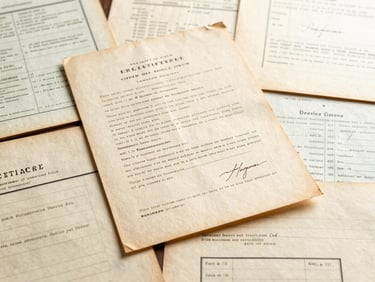


Unbroken Lineage Across the Atlantic
Maritime Ledgers
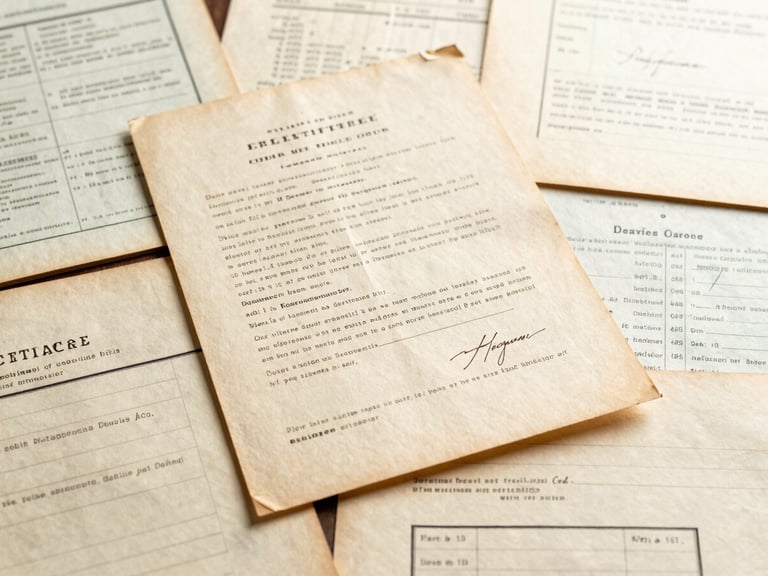
Trace voyages, crews, and cargo through meticulously digitized ship manifests and port records, revealing patterns of transoceanic commerce.
Migratory Records
Connect individuals and families through passenger lists, immigration documents, and census data, mapping complex human movements.
Colonial Archives
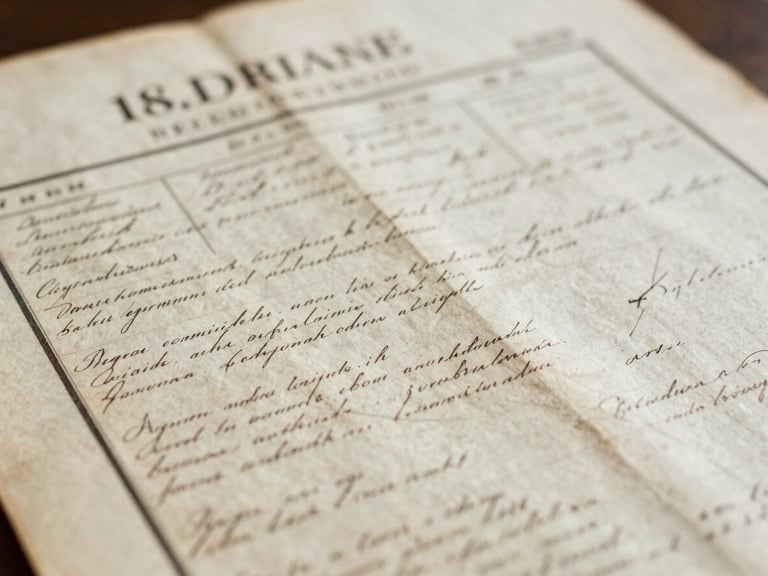
Explore administrative records, land grants, and legal documents from colonial settlements, understanding early Atlantic societies.
Write your text here...
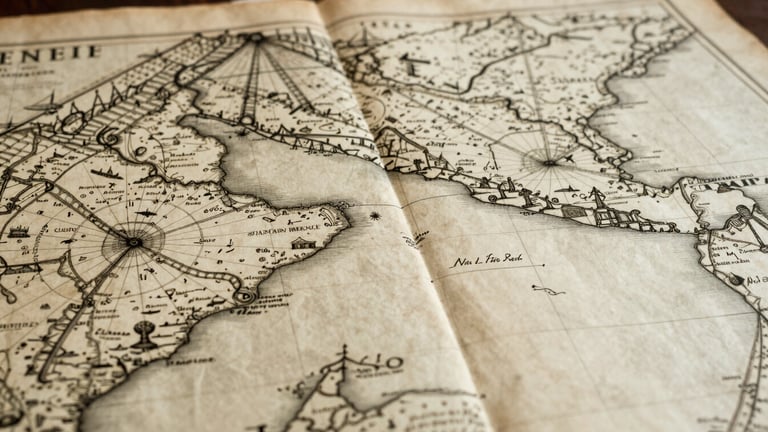
Every record is a node linked to a wider web of global migration, spanning continents and centuries.
Dynamic Metadata for Deep Connections
Archival Digitization
Contextual Metadata
Interconnected Nodes
External Integration
High-resolution scanning and optical character recognition preserve original documents and convert them into searchable text.
Expert historians and archivists apply rich, standardized metadata tags, ensuring archival integrity and precision.
Proprietary algorithms identify and link related entities across disparate records, forming a true web of historical data.
Seamless integration with leading genealogical databases like Geneanet.org expands research possibilities beyond our platform.
Contribute to Archival Integrity
Partner with us to digitize and integrate your historical collections into our transoceanic database.
Atlantic Digital Heritage Institute
Mapping transoceanic pathways through linked historical nodes.
INQUIRIES
mhenson@atlanticdigital.org
Research Office, Paris and Ames, Iowa
Nonprofit Digital Repository
© 2026 Atlantic Digital Heritage Institute-Connecting the public to atlantic history.
ARCHIVAL INTEGRITY